Swipe: styled ↔ actual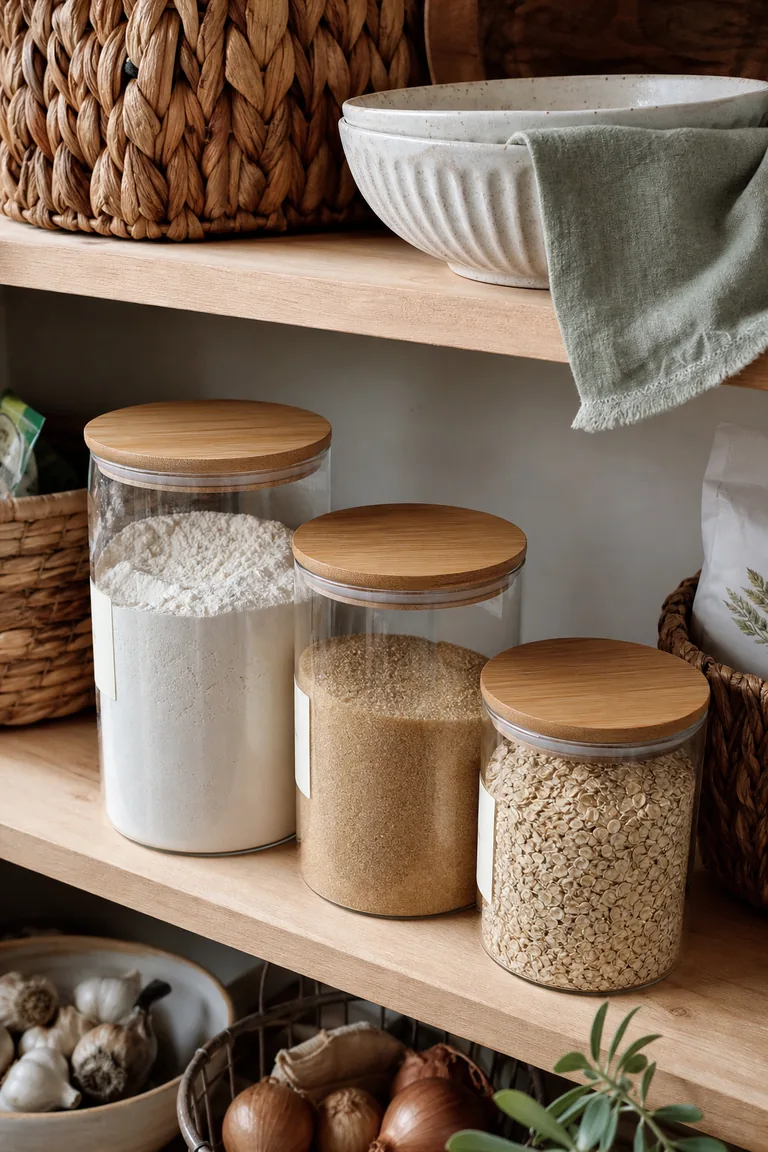
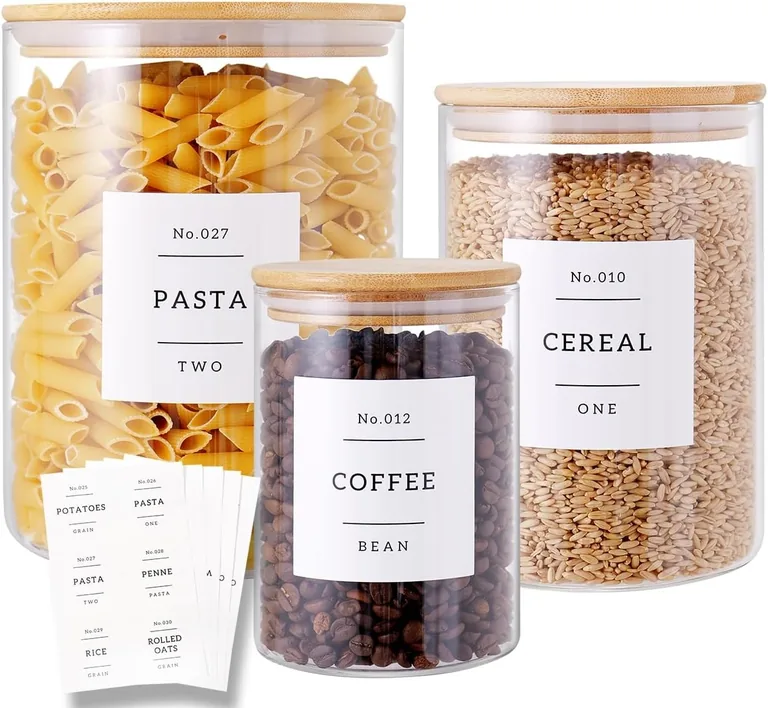
Related find
Glass + bamboo pantry jars
Swipe the image box to compare the styled Pinterest idea with the actual Amazon product photo.
Pretty pantry photos can make it seem like every ingredient needs a matching container. In real homes, the better strategy is to decant only the categories that benefit from visibility and keep the rest grouped in simple bins.
Affiliate disclosure: This guide may include Amazon affiliate links. As an Amazon Associate, we may earn from qualifying purchases.
Glass jars and canisters make sense for foods you refill often: oats, rice, pasta, flour, coffee, snacks, or pet treats. Skip decanting items that change every grocery trip.
Clear pantry bins are best for snacks, packets, pouches, baking extras, and breakfast items. They create visibility without requiring every package to look identical.
A turntable works well for oils, vinegars, spices, nut butters, and deep pantry corners. It is useful when items are small, upright, and easy to lose behind each other.
Labels are helpful when multiple people use the pantry. Keep them broad enough that the system survives real grocery shopping: snacks, breakfast, baking, dinner, refills.
Short answers written for shoppers first, with matching structured data for answer engines.
Clear containers are worth it for staples and categories where visibility prevents overbuying or makes cooking faster. They are less useful for random products that change every week.
Use glass jars for repeat-use dry goods like oats, rice, pasta, flour, coffee, granola, and snacks that look tidy and are easy to refill.
Clear bins are better when you need to see food quickly. Baskets are better for hiding visual clutter on open shelves or storing backup items.
Start with one shelf, reuse containers you already own, buy only a few clear bins for the messiest categories, and label broad zones instead of replacing everything at once.
Product ideas that match this guide's storage problem.
Swipe the image box to compare the styled Pinterest idea with the actual Amazon product photo.
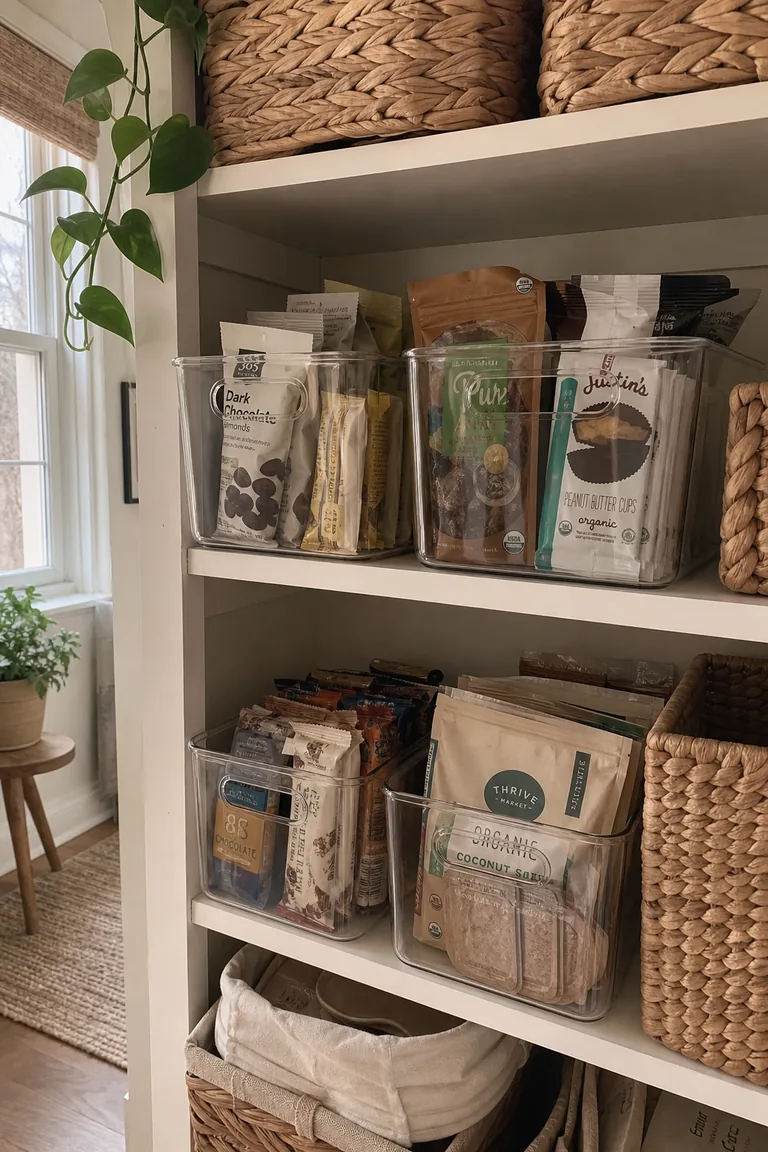
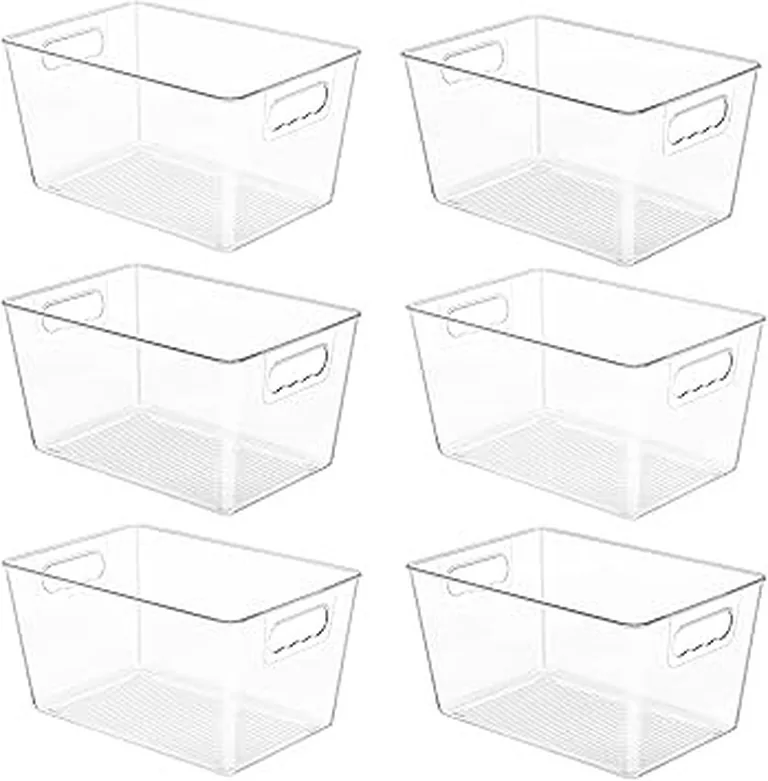
Swipe the image box to compare the styled Pinterest idea with the actual Amazon product photo.
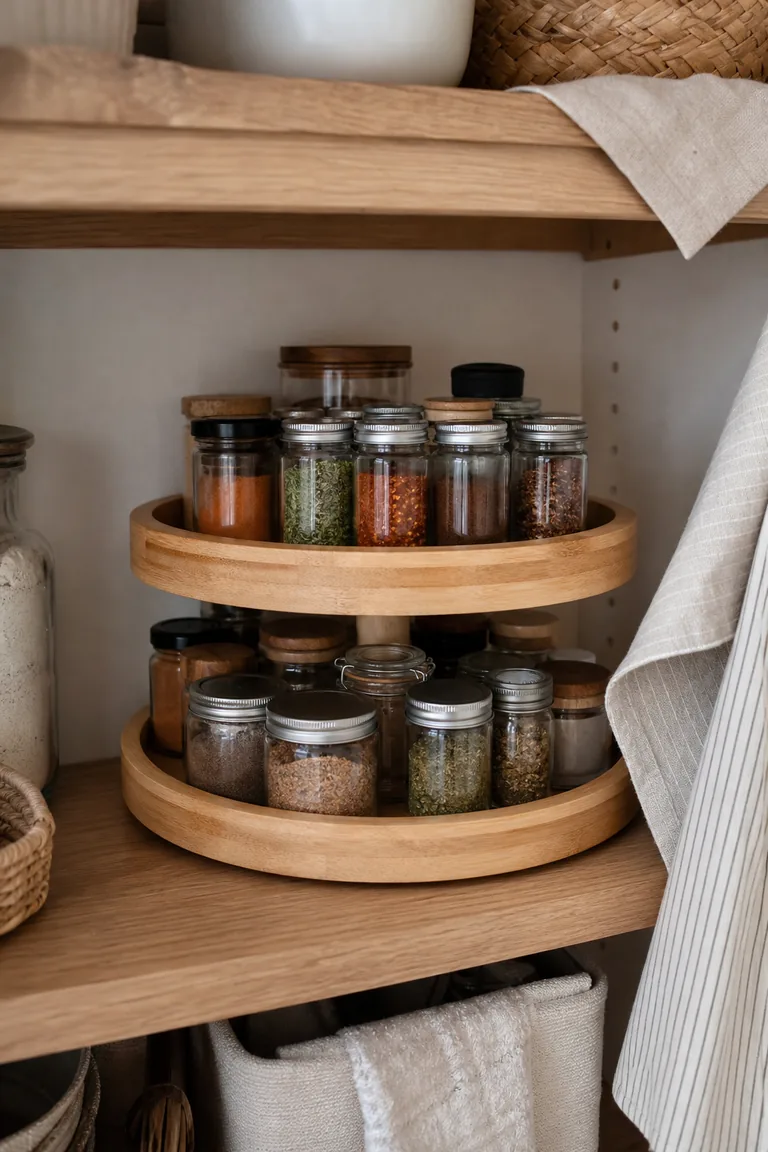
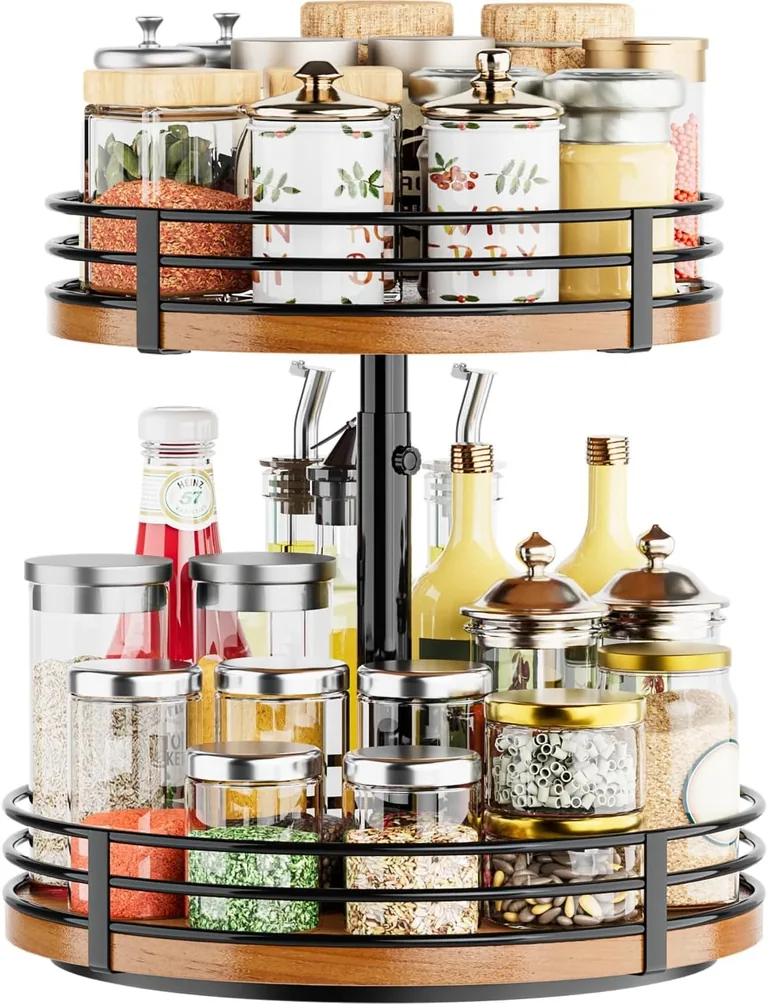
Swipe the image box to compare the styled Pinterest idea with the actual Amazon product photo.
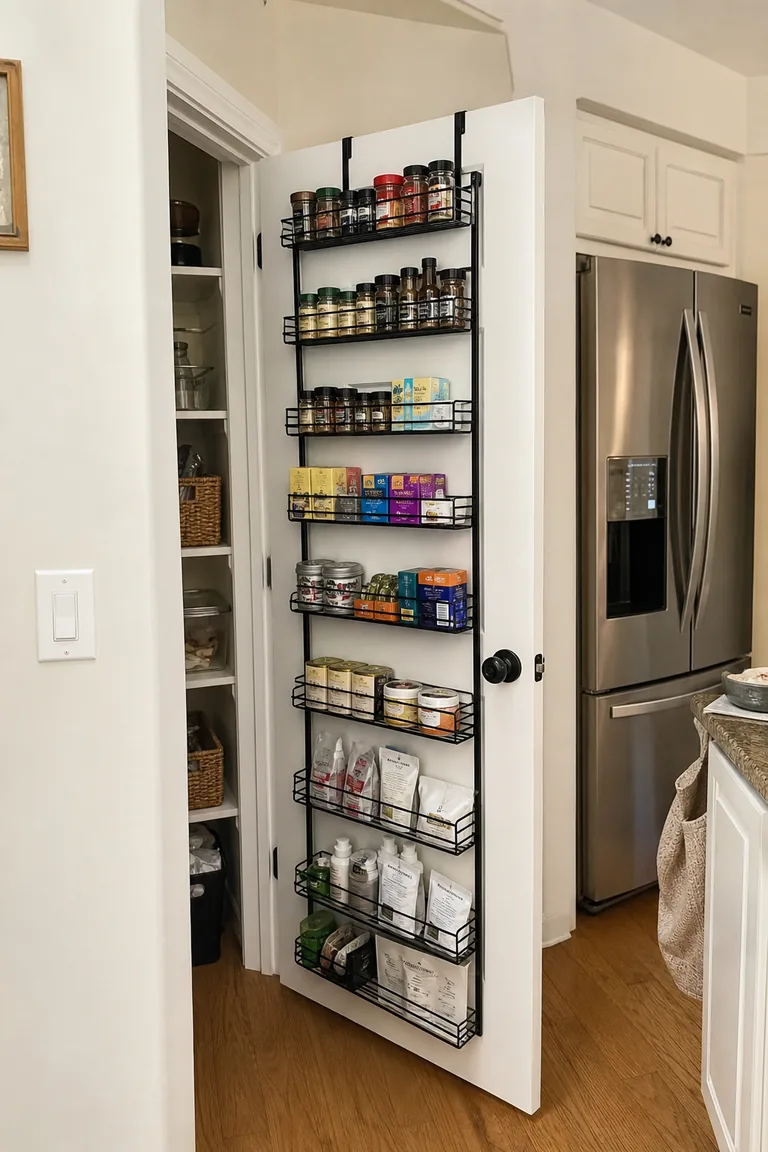
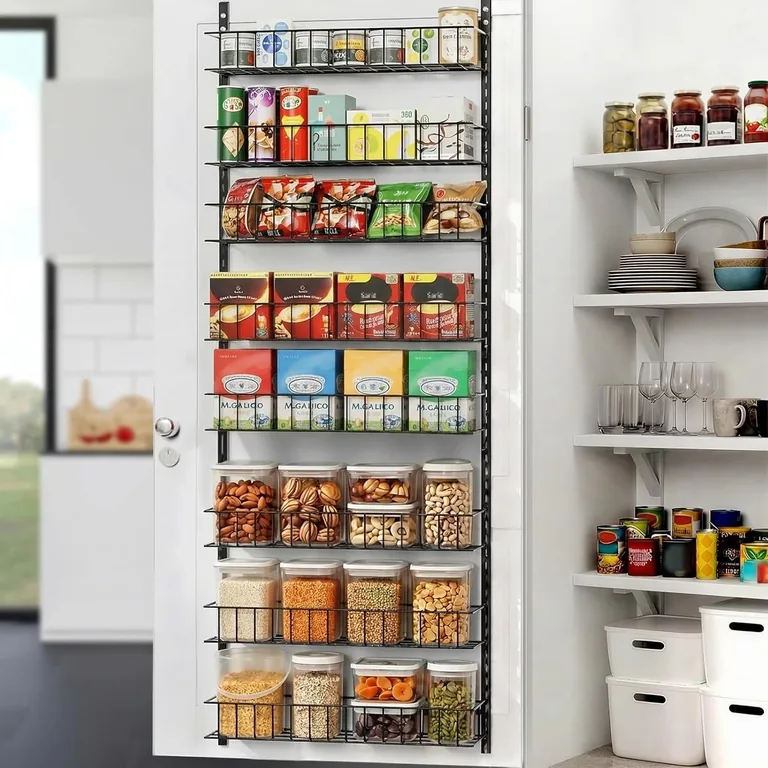
Swipe the image box to compare the styled Pinterest idea with the actual Amazon product photo.